
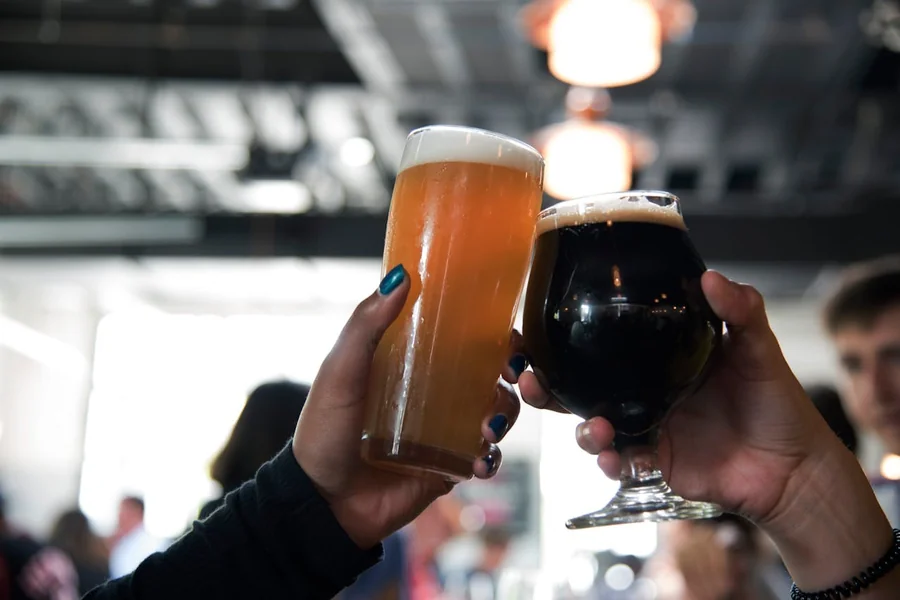
Beer has been a staple of social gatherings, sports celebrations, and relaxed evenings for generations. But as consumer habits shift and preferences diversify, a crucial question arises: are people drinking less beer, or has the way we enjoy it simply changed? To understand this phenomenon, we’ll take a closer look at the data, explore trends, and see how beer is holding up in a rapidly evolving landscape.
What’s Changing in Beer Preferences?
The debate isn’t just about beer’s popularity, but also about the type of beer people are drinking. One key question that often comes up is beer vs ale. Are younger generations gravitating toward traditional beers, or do they prefer the complex flavors of craft ales? Industry reports show that ales, particularly IPAs, have captured the curiosity of adventurous drinkers with their bold and varied flavor profiles.
At the same time, classic lagers still hold a loyal following, especially among those who prefer a lighter, crisper taste. This evolving preference suggests that the beer market isn’t so much declining as it is fragmenting. While mass-produced beers might see slower sales, craft alternatives and premium products are thriving.
Beer’s Generational Divide
A closer look at the numbers uncovers generational divides in beer consumption. Millennials and Gen Z, for instance, are introducing new drinking habits that were less prevalent in older generations. They’re more likely to choose low-alcohol or alcohol-free beers, thanks to a growing focus on health and wellness.
Meanwhile, Boomers continue to enjoy traditional lagers and pilsners, often valuing familiarity over novelty. This shift shows beer consumption is evolving alongside cultural trends. Younger drinkers are seeking out beverages that fit into healthier lifestyles or provide unique experiences, pushing breweries to innovate in unprecedented ways.
The Role of AI Insights
Understanding beer trends today requires more than just anecdotal evidence. Consumer data offers powerful insights into changing preferences, and that’s where AI comes in. For example, Tastewise, the AI platform for food and beverage, shows data supporting the rise in craft beer consumption among younger urban dwellers. These insights enable breweries to stay ahead of trends by introducing products that align with what modern consumers want.
From the growth of sour beers to the increasing popularity of sustainable packaging, AI-driven predictions are helping the industry make smarter decisions. Tools like Tastewise have become indispensable in identifying micro-trends that can redefine the market.
How Craft Beer is Shaping the Industry
If one thing is clear, it’s that craft beer is reshaping the beer market as we know it. Independent breweries have surged in popularity, offering hyper-localized flavors that appeal to today’s adventurous drinkers. The desire for unique brews has propelled microbreweries into the spotlight, allowing them to compete with major beer brands.
While this seems like a win for the beer industry as a whole, it has also introduced challenges. Mass-market beer brands have to work harder than ever to retain customer loyalty, leading to acquisitions of smaller craft brands and diversified product lines.
The Impact of Trends Like Low-Alcohol Options
Another rising star in the beer world is the low-alcohol or non-alcoholic category. This trend is particularly interesting because it illustrates how beer can evolve with changing times. Tastewise trending beer analyses suggest these products are gaining traction, especially among health-conscious millennials eager to enjoy the social aspects of drinking without the hangover.
Additionally, consumers are drawn to options that offer functional benefits, such as beers enriched with vitamins or botanicals. This category is small but growing, showing that beer’s evolution could take some unexpected turns.
The Global Perspective on Beer’s Future
Beer is not just changing in the United States; global trends point to exciting developments in international markets as well. Emerging economies are seeing higher beer consumption rates, while established markets lean heavily on innovation to maintain interest. Flavors inspired by global cuisines, like mango wheat beers or spicy chili IPAs, are testament to the industry’s adaptability.
International beer festivals and collaborations are further driving creativity in this space. What started as a humble drink is now enriched by cultural influences from around the world.
What the Data Says About Beer’s Staying Power
Despite the challenges beer faces, rising competition from spirits, wine, and hard seltzers, it’s clear that the industry knows how to pivot. Data-driven insights from platforms like Tastewise reveal that beer remains deeply ingrained in social life, even if the form it takes looks a little different.
The takeaway? Beer isn’t disappearing anytime soon. It’s adapting, changing, and innovating to stay relevant for every generation of drinker. Whether it’s through bold new flavors, sustainable practices, or products that cater to wellness trends, beer continues to evolve, proving it’s more than just a beverage; it’s a part of our culture.
Wrapping It Up
The question of beer’s decline isn’t as straightforward as it might seem. While consumption patterns may be changing, the market as a whole is thriving in different ways. From craft innovations to the rise in non-alcoholic options, beer’s evolution is a testament to its resilience and its ability to meet the needs of an evolving world. As long as people are thirsty for creativity and flavor, you can bet that beer will keep reinventing itself for the years to come.

