
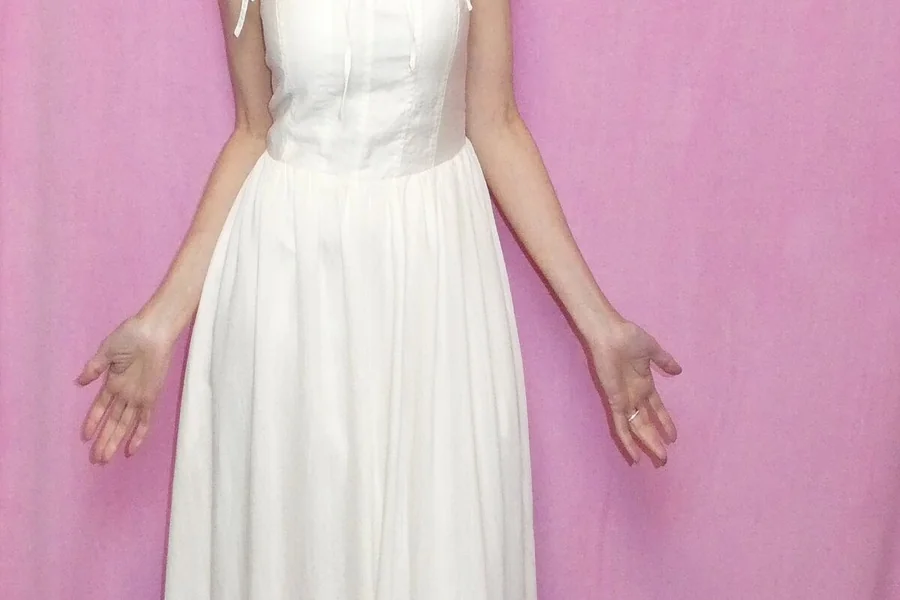
A great Renaissance outfit doesn’t start with a dozen perfectly matched pieces. It starts with one strong “hero” garment—usually a dress with an eye-catching silhouette, a rich color, or dramatic sleeves—and then you build outward with layers and accessories that make the look feel lived-in, intentional, and (ideally) period-aware.
If you’ve ever put on a beautiful Renaissance dress and thought, Okay… now what?, you’re not alone. The difference between “I’m wearing a costume” and “I stepped out of a painting” often comes down to the supporting cast: the underlayer peeking at the neckline, the belt that shapes the waist, the headwear that frames the face, and the textures that make the whole outfit feel coherent.
Below is a practical way to build a complete Renaissance ensemble around one statement dress—without overbuying, overthinking, or losing comfort.
Start With the Dress: Decide What Era and Region You’re Echoing
“Renaissance” covers a lot of ground—Italy isn’t England, and early 1500s isn’t late 1500s. You don’t need museum-grade accuracy to look convincing, but you do want your choices to rhyme.
Check your dress for three cues
Neckline: Square necklines read broadly “Renaissance,” while higher necklines can skew later Tudor/Elizabethan or more modest regional styles.
Sleeves: Big, draped sleeves feel romantic and theatrical; tighter sleeves with dramatic cuffs can read more structured and courtly.
Fabric weight and sheen: Matte linens and cottons feel earthy and commoner-friendly. Velvets, brocades, and satins signal wealth and formality.
If you’re still shopping for that hero piece, look for a dress with a silhouette you can layer over and accessorize in multiple ways—something you can dress up for a faire or tone down for a casual historical meetup. A useful reference point for shapes and styling ideas is this collection of Medieval-style dresses for historical costume lovers, which shows the kinds of necklines, sleeve treatments, and skirt volume that pair well with classic Renaissance layering.
Build the Foundation: The Underlayer That Makes Everything Look “Right”
The secret weapon of Renaissance costuming is the underdress layer—often a chemise or shift. Even when it’s mostly hidden, it affects the whole impression.
Choose a chemise that supports your neckline
A soft, slightly full chemise with a drawstring or elastic neckline lets you fine-tune the “peek” at the collarbone and shoulders. For square-neck gowns, a chemise that shows a clean band of white at the neckline reads especially period-friendly.
Think about shape, not just coverage
If your statement dress is already structured, you may not need much underneath. But if it’s flowy, a supportive underlayer can keep the skirt from collapsing into a modern A-line. Light petticoats or an extra skirt layer add movement and weight—small detail, big payoff.
Add Structure Thoughtfully: Belts, Stays, and the Waistline
Renaissance silhouettes often emphasize a defined waist and a long, continuous line through the torso. You can get there without discomfort if you choose the right kind of structure for your event.
Belt over bodice: the simplest “instant upgrade”
A belt is the fastest way to make a single dress feel like a styled outfit. Wider belts with simple buckles feel grounded; narrow belts can look more delicate but may read modern if they’re too sleek.
Light support options that don’t ruin your day
Not everyone wants full stays or a corset at a faire (especially in summer). Consider:
- A lightly boned bodice layer (comfortable, supportive, easy to remove)
- A firm fabric sash tied snugly at the waist (simple, adjustable)
- A lace-up belt-corset hybrid (dramatic, but choose one that bends with you)
If you do add stays, fit matters more than tightness. A good fit gives you posture and shape without feeling like armor.
Layer for Story: Sleeves, Overlays, and Outerwear
This is where you move from “nice dress” to “character with a life.”
Detachable sleeves and shoulder pieces
If your dress has removable or tie-on sleeves, you can change the entire mood with a second sleeve set—slashed, puffed, or fitted. Even adding ribbon ties at the shoulder can signal historical construction in a subtle way.
Cloaks, capes, and short mantles
Outer layers aren’t just for warmth—they add authority and motion. A short capelet reads formal. A full cloak reads travel-ready. Choose a fabric that contrasts your dress: matte wool over a smoother dress fabric creates depth immediately.
Accessorize with Intention: Headwear, Hair, and “Finish Work”
A Renaissance outfit often looks unfinished until the head and hands are styled. The good news: you don’t need much.
Pick one headwear direction and commit
Do you want soft and romantic, or crisp and structured?
A flower crown can work for a faire, but if you want a more grounded Renaissance vibe, consider:
- A linen coif or simple cap
- A headscarf wrapped with visible pins
- A structured hat (especially for Northern European looks)
Hair matters too. Braids—single, double, wrapped—read instantly period-adjacent and photograph beautifully.
Keep jewelry era-friendly (or at least era-neutral)
Chunky modern chains can break the illusion fast. Think in terms of metal, stones, and symbolism: a modest pendant, a simple brooch, small hoops, or a strand of pearls for a higher-status look.
Shoes, Bags, and Practical Details (That Make You Feel Confident)
Comfort is not a modern compromise; it’s what lets you actually enjoy the event.
Footwear that won’t betray you
Avoid anything too glossy or sneaker-shaped if you’re trying for a historical read. Ankle boots, simple flats, or soft leather shoes in brown/black are typically safe. If you must wear modern comfort shoes, hide them with a longer hem and focus attention upward with strong accessories.
One small checklist of finishing pieces
Here’s the short list that makes a statement dress feel like a complete outfit:
- Belt (plus a small pouch or pocket)
- Headwear or intentional hairstyle
- One “hero” accessory (brooch, pendant, or cloak clasp)
- Layer for temperature (cloak, shawl, or mantle)
Make It Yours: A Cohesive Palette Beats Perfect Accuracy
If you’re mixing pieces from different sources (as most of us do), cohesion comes from repeating a few notes: the same metal tone, a consistent fabric mood (matte vs. shiny), and a palette that feels harmonious.
Try this approach: pick one main color, one neutral, and one accent. Then repeat the accent in at least two places—maybe ribbon ties and a pouch, or a hair wrap and a pendant stone. That repetition reads “designed,” even if the pieces were collected over time.
The goal isn’t to “win” Renaissance costuming. It’s to step into a look that feels complete, comfortable, and unmistakably intentional—built around the statement dress you already love, with layers that add depth rather than clutter.

